

If you walk into a modern supermarket, apparel store, electronics outlet, or even a pharmacy today, you’ll feel a subtle shift in the atmosphere.
The shelves look familiar.
The products are the same.
But the experience is undeniably different.
Digital screens glow from the aisles, adding motion and storytelling where static posters once hung. Promotions update instantly. Brands compete for attention during the final seconds before a shopper reaches for a product. Every screen feels alive adapting to time, context, and behavior.
This transformation didn’t happen overnight, and it certainly isn’t accidental.
It is being driven by one of the fastest-growing advertising forces in the world today:
Retail DOOH Digital Out-of-Home inside retail stores.
In 2026, Retail DOOH has evolved from being just another “digital signage solution” into a strategic revenue engine, a shopper influence weapon, and the most powerful moment-of-truth advertising channel in the retail ecosystem.
A New Media Channel Is Born, Right at the Point of Purchase
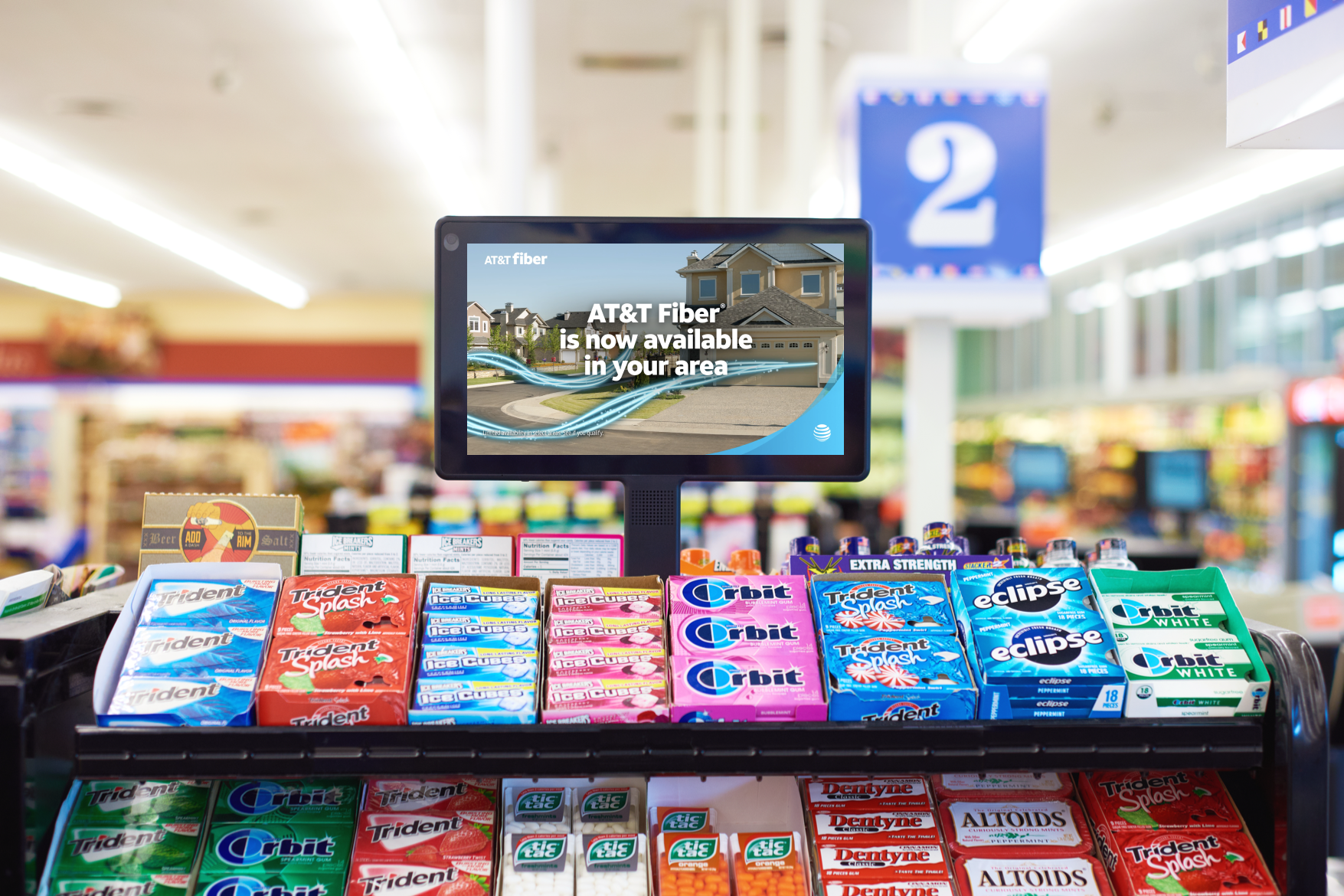
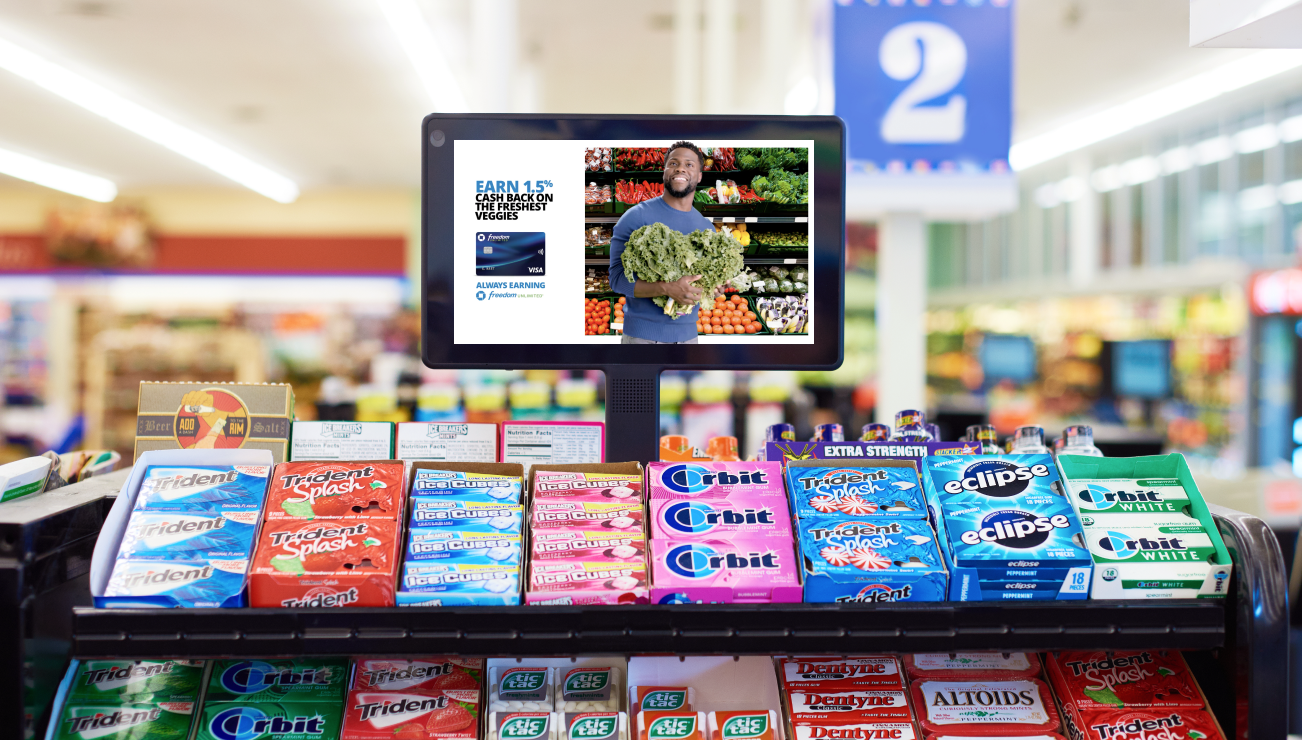
For decades, brands have fought for the consumer’s attention through TV, print, social media, or mobile ads — all of which are consumed far away from where the purchase actually happens.
But Retail DOOH changes everything.
Inside a store, 70% of buying decisions are made on the spot.
A shopper who planned to buy tea could switch to coffee. A parent walking past the snack aisle might pick up something unplanned. A student might be influenced to buy a different shampoo after seeing a compelling message.
Retail DOOH enters the shopper’s mind at the most critical moment, when:
-
the product is right in front of them,
-
the wallet is about to open, and
-
the “final choice” is being made.
The relevance and immediacy of this moment make Retail DOOH arguably the most influential advertising touchpoint in the consumer journey.
The Rise of Data-Driven Retail Media Inside Stores
Until a few years ago, in-store advertising lacked measurement.
Today, Retail DOOH sits on top of a goldmine of shopper intelligence.
Retailers now know:
-
what people buy,
-
how often they shop,
-
what combinations of items end up in baskets,
-
how foot traffic moves inside a store,
-
and even what products underperform at certain hours.
When digital screens are connected to this data, something extraordinary happens:
Retailers can offer brands closed-loop attribution.
“Your ad played on these screens for seven days. Here is the exact lift in sales.”
This level of precision transforms Retail DOOH from a branding medium into a performance-driven media channel that can directly influence revenue.
Programmatic DOOH Has Unlocked Massive Scale
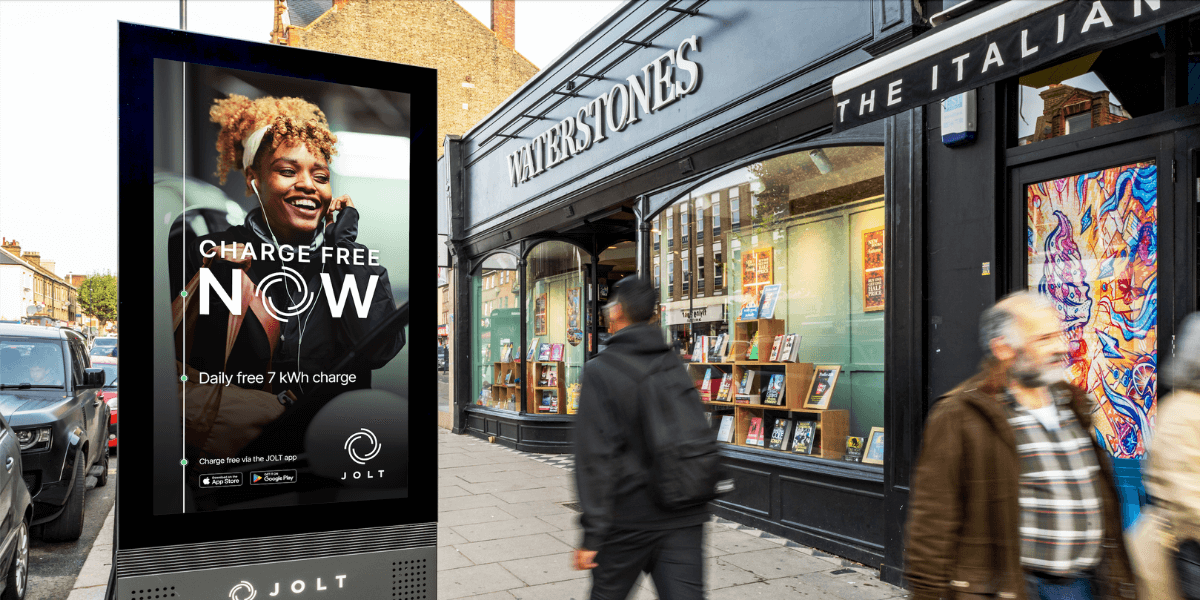
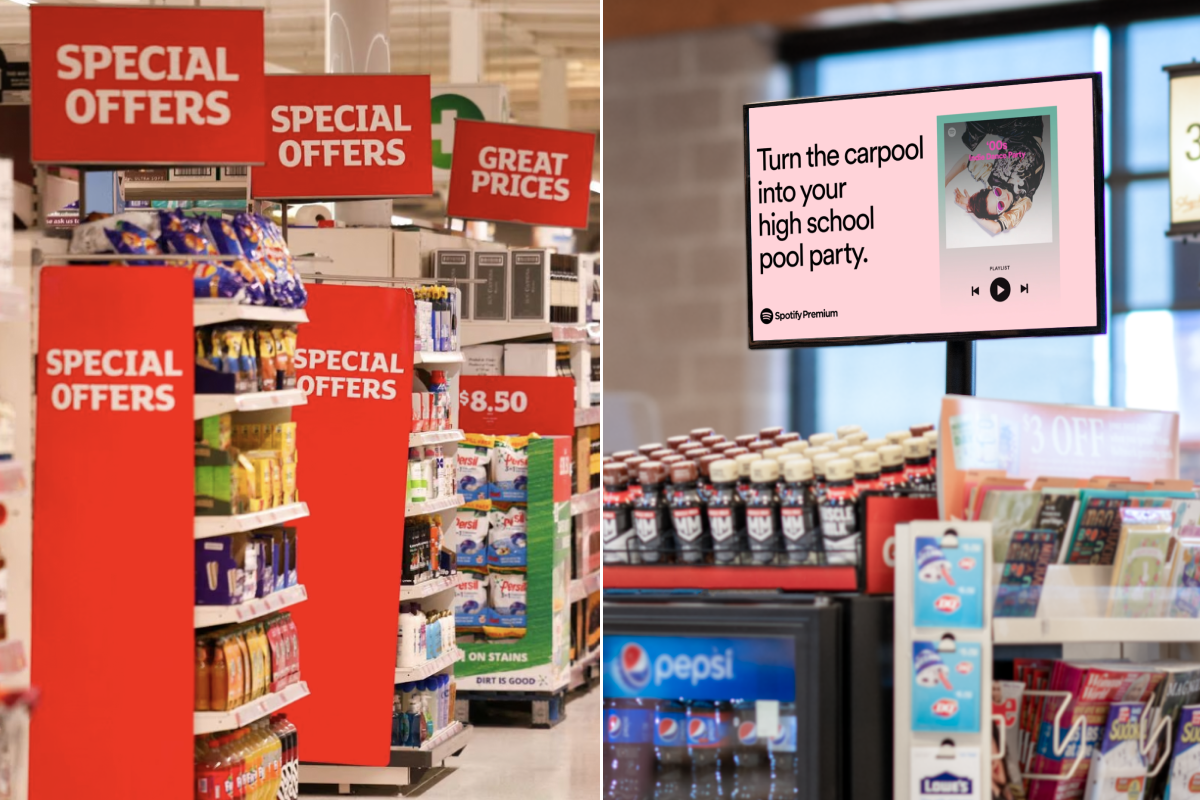
Not long ago, selling retail screen space meant manual bookings and Excel sheets.
But programmatic technology has completely reshaped the industry.
Now, brands can:
-
buy screens across thousands of stores in seconds,
-
target specific audiences,
-
run dynamic creatives,
-
respond to weather, time, events, or stock changes,
-
and optimize campaigns in real time.
A single product launch can appear simultaneously in thousands of retail locations with automated precision.
Programmatic DOOH is the reason Retail DOOH is no longer “just screens”, it is a national, automated, data-powered advertising network inside retail stores.
Retailers Are Becoming Media Companies — And It’s Paying Off
Supermarkets, fashion chains, electronics retailers, pharmacies — all are building their own Retail Media Networks (RMNs).
The logic is simple.
Retailers already have:
-
high footfall,
-
premium locations,
-
shopper data,
-
and physical space.
Adding digital screens turns this ecosystem into a high-margin media business that brands are eager to pay for.
For retailers, Retail DOOH means:
-
new revenue without expanding stores,
-
elevated store experience,
-
stronger brand partnerships,
-
and full control over in-store messaging.
In many global markets, retail media revenue is growing faster than e-commerce itself.
Why Retail DOOH Outperforms Static Signage & Online Ads

Retail DOOH works because it is:
1. Hyper-contextual
Screens can instantly adapt to:
-
time of day
-
weather
-
store inventory
-
real-time promotions
-
low or high demand
Imagine:
-
Sunscreen ads triggered when UV levels spike
-
Hot chocolate promos on rainy evenings
-
Offers for products that are overstocked
2. Unavoidable
There are no skip buttons, no scrolling, no ad blockers.
Retail screens sit right where attention is highest.
3. Proven to increase recall
Dynamic motion and contextual messaging deliver 2× stronger recall than static signage.
4. Experience-enhancing
Retail DOOH not only advertises, it guides, informs, assists, entertains, and reduces friction in the shopper journey.
It meshes media with experience.
The Retail DOOH Trends That Will Shape 2026 and Beyond
AI-Powered Personalization
Retail environments are evolving into dynamic ecosystems where AI decides:
-
which content plays when,
-
how the store’s mood changes,
-
which aisles need engagement,
-
and how to influence basket value.
Unified Retail + OOH + DOOH Platforms
Retailers and media owners now want one system to manage:
-
outdoor billboards,
-
indoor screens,
-
programmatic channels,
-
proof-of-play,
-
and sales reporting.
The future is a single dashboard controlling the entire omnichannel advertising journey.
Smart Shelves, Smart Carts & Sensors
Screens will talk to sensors, which talk to products, which talk to databases — creating a fully connected retail intelligence system.
DOOH as a Performance Channel
Brands are moving away from “impressions only” and now care about:
-
sales lift
-
basket penetration
-
product trial
-
store-level conversion
Retail DOOH is merging branding + performance in a way no other channel can.
Who Gains the Most From Retail DOOH?
Retailers gain a new revenue stream.
Brands gain a high-impact, high-ROI advertising format.
Consumers get a smoother, more engaging shopping experience.
Everyone wins.
The Future Belongs to Retail DOOH
Retailers are evolving faster than ever.
Brands are shifting budgets toward retail media.
Programmatic DOOH is scaling global adoption.
Shoppers are responding positively to contextually rich, real-time communication.
Retail DOOH sits at the intersection of:
-
technology,
-
psychology,
-
commerce,
-
media,
-
and data.
This makes it one of the most transformative advertising channels of the decade.
It’s no longer a “nice-to-have.”
It’s becoming the central nervous system of the modern retail environment.
Retailers who adopt it early will outperform competitors.
Brands who master it will win attention, preference, and revenue.
And the tech platforms that unify it will define the next era of advertising.
At Edge1, we believe Retail DOOH isn’t just another advertising format, it’s the foundation of the next-generation retail economy. The retailers who win the future will be the ones who treat their stores as digital media ecosystems, not physical inventory spaces. They will unify outdoor, indoor, and in-store DOOH; merge programmatic with real-time shopper behaviour; and build fully measurable, fully automated retail media networks.
And this future is not five years away, it’s already unfolding today.